The most reliable warning signs of a slab leak are a water bill that jumps with no change in usage, the sound of running water when everything is off, warm or hot spots on the floor, damp or buckling flooring, low water pressure, and a water meter that keeps moving with every fixture closed. Because the leak is under your concrete foundation, in Brandon, FL and across Eastern Hillsborough County, our sandy soil and hard, mineral-heavy water make older copper lines especially prone to it. Catching one early keeps a small pinhole from becoming a foundation problem. Here is what to watch for, what causes slab leaks, and what to do if you suspect one.
A slab leak is a leak in a water line that runs beneath or inside your home's concrete foundation slab. Most Florida homes are built slab-on-grade, meaning the house sits directly on a poured concrete pad with the copper supply lines cast into or routed under that concrete. When one of those pipes develops a pinhole or a cracked fitting, water escapes under the house, often invisibly, until the symptoms finally surface indoors.
Slab leaks fall into two categories. A pressure-side leak is on a supply line carrying water into the home under constant pressure, so it tends to leak steadily and shows up faster. A drain-side leak is on a waste line and only leaks when water is draining, which makes it slower and harder to spot. Both need professional detection, because the pipe is hidden and guessing wrong means opening the wrong part of the floor.
No single sign confirms a slab leak on its own, but two or more together are a strong reason to schedule leak detection. Here are the seven to watch for.
In Brandon and across Eastern Hillsborough County, two local factors do most of the damage. The first is our water: hard, mineral-heavy water from the limestone aquifer corrodes copper supply lines from the inside out over the years. The second is our ground: sandy soil shifts and settles under the slab, flexing pipes at their fittings and elbows until a joint gives way or a line abrades against gravel and concrete.
Other contributors show up too. Poor original installation, such as pipes laid in direct contact with rebar or without proper protective wrap, sets a line up to fail early. Water that runs at excessive pressure stresses every joint. And simple age matters: homes built 15 to 25 years ago with their original copper are the classic slab-leak profile, because that is about when interior corrosion and accumulated soil movement start catching up with the pipe.
Early on, a slab leak often looks like nothing at all, because the water disappears into the ground beneath the slab. As it progresses you may see darkened or damp floor patches, tile or laminate that has lifted or cracked, mildew creeping along baseboards, and unusually warm areas of floor if a hot line is the one leaking. Outdoors, look for soggy or unusually green patches of ground right beside the foundation. The gap between "no visible sign" and "obvious damage" is exactly why the meter test below is worth doing the first time your bill looks wrong.
Months, and sometimes more than a year. Because the leak is sealed under concrete, a small pinhole gives almost no visible warning; it shows up only as a slowly creeping water bill and, eventually, subtle changes in the floor. The longer it runs, the more it erodes the soil supporting your slab and the more it feeds mold and moisture damage. That slow, hidden progression is the real hazard of a slab leak, and it is why a simple meter test the first time the bill looks off can save you a much larger repair later.
If two or more of the signs above line up, take these steps:
This is one of the most common questions we hear, and the honest answer is that it depends on your policy. Many Florida homeowners policies help cover the cost of accessing the leak, such as breaking through and restoring the slab, and the resulting water damage, while excluding the failed pipe itself. Coverage varies widely between carriers and policies, so the specifics of your slab leak matter.
A few practical notes: document everything with photos and written estimates, report the loss promptly, and read the language on "tear-out" access coverage versus the pipe repair. We provide detailed written documentation of the detection and repair, which many homeowners use when they file a claim. Because coverage is policy-specific, confirm the details directly with your insurer.
A slab leak is a leak in a water line running beneath or inside your home's concrete foundation slab. Most Florida homes are slab-on-grade with copper supply lines cast into the concrete, so when a pipe pinholes, water escapes under the house - often invisibly - until symptoms surface indoors.
Watch for a water bill that jumps with no usage change, the sound of running water with everything off, warm spots on the floor, damp carpet or buckling flooring, low water pressure, and a water meter that spins with all fixtures closed. Two or more of these together justify a leak-detection visit.
In Brandon and Eastern Hillsborough County, two local factors do most of the damage: hard, mineral-heavy water corroding copper lines from the inside out, and sandy soil shifting under the slab, flexing pipes at fittings and elbows. Homes 15-25 years old with their original copper are the classic profile.
Often nothing at first - the water disappears into the ground beneath the slab. As it progresses you may see darkened or damp floor patches, lifted tile or laminate, mildew along baseboards, and unusually warm areas if a hot line is leaking. Outdoors, look for soggy spots beside the foundation.
Months - sometimes more than a year. Because the leak is under concrete, a small pinhole shows up only as a slowly creeping water bill. The longer it runs, the more it erodes soil under the slab and feeds mold, which is why a meter test is worth doing the first time the bill looks wrong.
A warm patch on the floor almost always means a hot-water line is leaking beneath that spot - the slab absorbs heat from the escaping water. It is one of the most reliable slab-leak indicators, and it tells the technician roughly where to focus electronic detection equipment before anything is opened up.
Our licensed Brandon plumbers use electronic detection to pinpoint the leak before anything is opened up. Call or text (813) 707-3215 for same-day service during business hours.
Book Now (813) 707-3215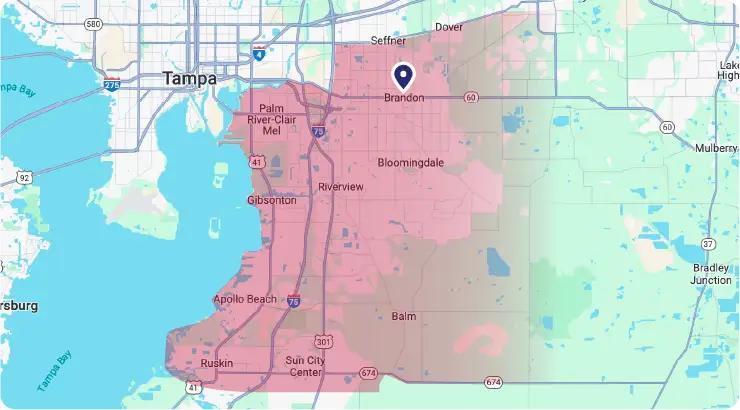
Our team of expert plumbers is ready to assist with all your plumbing needs in Brandon, FL and Eastern Hillsborough County.
Whether you're in need of a repair or planning a plumbing project, we're here to provide reliable, professional service.
Request Service Now
© Drainworks Plumbing & Gas Inc. 2026 | All Rights Reserved
Website by Red Barn Media Group